Thursday, February 16, 2023

Fun with Miss Liz!

 Super fun live event with Miss Liz! We talked about the power of embracing imperfection, following dreams, a stop motion filmmaking.


Monday, December 5, 2022

A humorous essay

 https://renaissancegardenguy.com/perfect-disasters-by-laura-lewis-barr/


Friday, September 23, 2016

Haiku for today


Bees work on yellow
centers with a focused joy.
May I live so true.

Monday, March 7, 2016

Can we slow down?


Image result for drops of waterOur culture trains us not to follow the subtle sensations that eventually amplify themselves into “reality.” 

Sunday, March 6, 2016

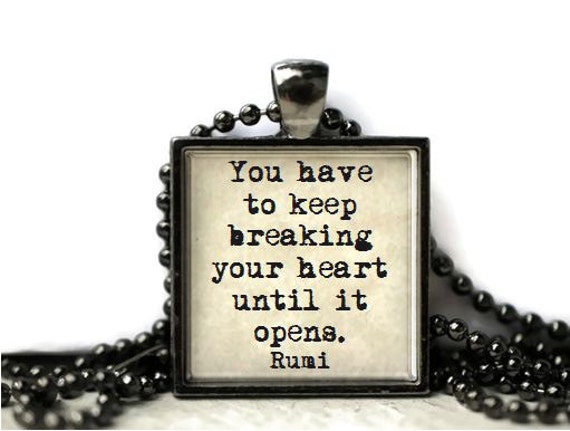
Thank you Rumi.


I'm happy that wise Rumi came up with this quote.  It sounds a bit crazy but I'd like to believe it's true.  Not that I'm trying to break my heart but I can allow it to be broken, so I can learn empathy and compassion.


During the Intensive I was in touch with my own brokenness.  This can only make me a better facilitator.  I hope.

If our suffering has meaning it is easier to bear.  If our suffering opens us up to the suffering of others, we can serve the world.  With awareness and openness to our grief, we can heal and be healed.   

Friday, March 4, 2016

Will training employees work if we ignore differences in rank?


Yesterday I did my first live training session since the intensive.  I worked with a group of managers in the morning and a group of their employees in the afternoon.  The managers were eager, fun, and thoughtful.  We discussed and role-played ways to have quality conversations with their teams.  This included talking about team member goals, and offering feedback on the efforts and progress of their employees.

In the afternoon I was contracted to help team members explore how they react when receiving feedback from their managers.  The workshop included lots of ideas on emotional intelligence and our triggers.  The goal was to learn to be more open and less reactive when receiving feedback.  I was the hired facilitator but someone else had sold the client on this class.  Had they considered the impact of this decision on the group?  Would this work?  Sure enough, the afternoon group pushed back.  They said they didn’t have any trouble accepting feedback when it was credible and came from a reliable source.  “If my manager isn’t a dick, I’m happy to receive feedback from him.” 

Lovingcommunity.com
Unless corporations address rank (power) issues in the workplace, money spent on training may (will often, always?) miss the mark.  What if yesterday’s company had given their managers a class on how to receive feedback from their employees?  Why are power structures (process workers call these issues of “rank”) so rarely addressed? 

I listened to the afternoon class, working to hear their perspective.  Then I continued to try to offer the material on emotional intelligence I’d be asked to present.  It wasn’t fair to ask only one group at work to get better at managing their emotions, but in the end practicing EI is always helpful.  The afternoon group did agree that they could always benefit from such practice. 

If I am to continue working in corporate training, I will need to bring forward issues of rank at work.  That’s scary. 

Thursday, March 3, 2016

Awareness leads to better outcomes.


Process work helps groups increase their awareness.  Then groups can act with more intelligence and integrity and not get hijacked by their secondary process (see below).


Excerpt from this article. 
"In the Processwork view, groups like individuals, are seen as having specific/ identifiable communication forms or patterns, both intended and unintended. 

Groups are seen to have primary (foreground) and secondary (background ) processes.

 Primary processes are those that the group predominantly identifies with – usually the intended behaviours, espoused purpose, beliefs, identity, etc.  

Secondary processes are reflected in unintended behaviour, unconscious norms or beliefs (culture), repressed or marginalized energies which express themselves in indirect ways. For example, those who speak most tend to be identified with the identified primary processes, the more silent ones, with the secondary processes often not identified. 

Repressed, marginalized or disavowed aspects of the group tend to show up in the secondary processes or become projected on to other groups in the field."


Thanks to Lovingcommunity.com for the use of these photos!